
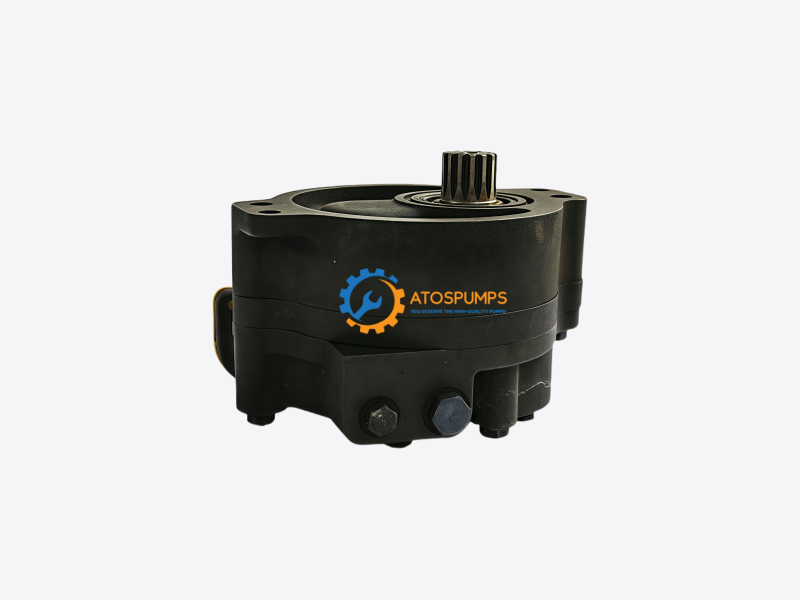
To keep a hydraulic pump running, control three things: fluid cleanliness, fluid temperature, and correct pressure. Most pump failures are not bearing fatigue – they are contamination, overheating, and cavitation caused by poor maintenance. Fix those and a well-matched pump serves the machine for years.
This guide covers the symptoms buyers and mechanics see most often, what causes them, how to diagnose, how to fix, and the maintenance routine that prevents the call in the first place.
Why Hydraulic Pumps Fail Prematurely
Hydraulic pumps run in a sealed, pressurized oil bath. When that environment degrades, the pump degrades with it. The three killers are:
- Contamination – dirt and metal particles scratch the tight internal clearances.
- Heat – oil above about 80 C (176 F) loses viscosity and forms varnish.
- Cavitation – starved inlet flow causes vapor bubbles that erode surfaces.
If you want the buying-side view of why fitment matters, our hydraulic pump buying guide explains how displacement and pressure specs prevent these problems at the source.
Common Hydraulic Pump Problems and Causes
1. Excessive Noise or Whining
A healthy pump is relatively quiet. Whining, knocking, or aeration sound usually means cavitation or air ingestion. Check the inlet line for loose fittings, a clogged suction strainer, or too-low oil level. Air in the line compresses and collapses, eating the vanes or gears.
2. Low Pressure or Slow Actuators
If cylinders move slowly or a breaker loses power, the pump may be worn or the relief valve may be passing fluid. Measure flow at the outlet; a drop versus the spec plate points to internal leakage from worn clearances.
3. Overheating
Heat comes from restriction, wrong viscosity, or a pump working against a closed center. Continuous-duty machines need an adequately sized cooler. Once metal transfers inside the housing, pressure collapses and the unit can seize, taking the belt and driven accessories with it.
4. External Leaks
Shaft-seal leaks are the most visible. They start small and grow as the seal hardens with heat. A leaking seal also lets air in, which accelerates the damage above.
How to Diagnose Step by Step
- Check oil level and condition; milky oil means water, dark gritty oil means contamination.
- Inspect suction line and fittings for air leaks.
- Verify inlet strainer is clean and the correct micron rating.
- Measure outlet flow and pressure against the spec plate.
- Confirm cooling capacity for continuous duty.
For a related failure pattern on a different pump family, see our power steering pump problems guide, which uses the same diagnose-before-replace logic.
How to Fix the Common Faults
| Symptom | Likely cause | Fix |
|---|---|---|
| Whining / aeration | Air ingestion, clogged strainer | Seal fittings, clean or replace strainer, top up oil |
| Low pressure | Worn clearances, passing relief valve | Replace pump or valve, verify setting |
| Overheating | Restriction, poor cooling | Check cooler, viscosity, duty cycle |
| Shaft seal leak | Hardened seal, air ingress | Replace seal; if shaft scored, replace pump |
Preventive Maintenance Schedule
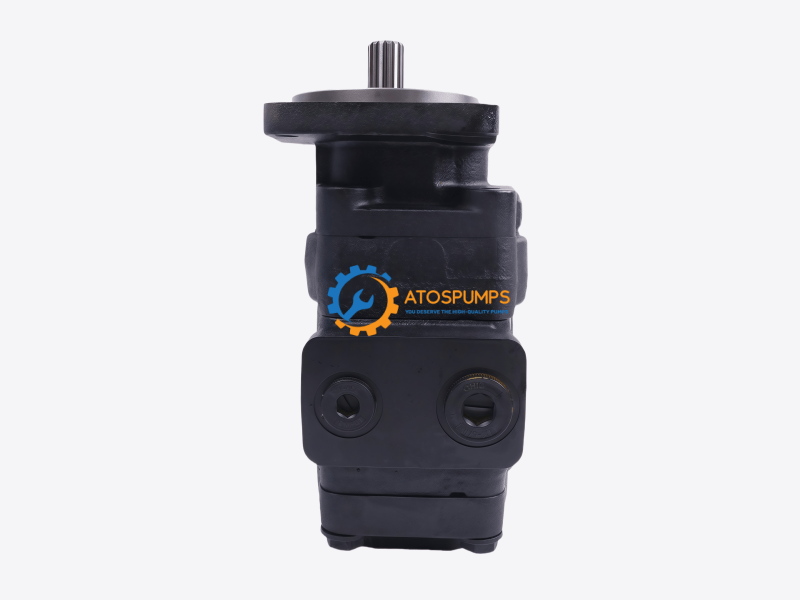
A simple routine prevents most failures. ATOSPUMPS ISO 9001 built direct-fit pumps such as CASE D149283 and CATERPILLAR 3P6814 respond well to clean fluid and controlled temperature.
- Daily: check oil level and look for external leaks.
- Weekly: inspect suction line and fittings for looseness.
- Every 500 hours: sample oil, replace filter, clean strainer.
- Every 2000 hours: full fluid change with correct viscosity grade.
Fluid, Filtration, and Temperature
Use the viscosity grade the OEM specifies and keep it clean. A 10 micron or finer return filter catches the particles that score pump surfaces. Keep oil below about 80 C; above that, plan cooler capacity before the pump pays the price. Never mix fluid types without confirming seal compatibility.
When to Repair vs Replace
A pump with a scored shaft or eroded housing is rarely worth rebuilding on a single-machine basis – a direct-fit replacement is faster and often cheaper once you include labor. Keep the OEM reference number (for example D149283 or 3P6814) handy so the replacement drops in without adapters.
Why Buyers Choose ATOSPUMPS Hydraulic Pumps
ATOSPUMPS is an ISO 9001 certified manufacturer supplying hydraulic and transmission pumps to distributors, repair shops, and OEM buyers worldwide. Direct-fit references like CASE D149283 and CATERPILLAR 3P6814 are built to the original displacement, pressure, and mounting specs, inspected against the spec sheet before shipment, so a replacement restores rated performance without modification.
How to Bleed Air From the System
After a pump change or fluid top-up, air trapped in the lines causes whining and slow operation. Crack the highest bleed point with the system off, run the prime cycle, and re-tighten once a steady stream of oil appears with no bubbles. Never run a new pump dry to purge air – prime it first or you will score the internals on the first revolution.
Taking and Reading an Oil Sample
A simple oil sample catches problems weeks before they reach the pump. Draw from the warm reservoir, send it for particle-count and water analysis, and track the trend over time. A rising ISO cleanliness code tells you the filter is failing long before the pump complains. Pair this with the routine in our power steering pump problems guide, which uses the same sampling logic.
Commissioning a Replacement Pump
When fitting a direct-fit replacement such as CASE D149283 or CATERPILLAR 3P6814, fill and prime the pump, check rotation, and run at low pressure for a few minutes before loading. Verify the relief valve setting matches the spec plate. A careful commissioning step is the difference between a pump that lasts and one that fails in the first shift.
Storage and Spares Planning
Keep a spare pump for your highest-duty machines. Store it sealed and upright, away from temperature swings, and rotate stock so seals do not harden on the shelf. Knowing the exact OEM reference number – D149283, 3P6814, and similar – lets you reorder a verified direct-fit unit without re-engineering the mount.
Signs Your Pump Is Nearing End of Life
Catch the warning signs early and you replace on a planned shutdown instead of an emergency call-out. Watch for a steady rise in operating temperature, a drop in outlet flow at the same pressure setting, growing whine at idle, and increasing metal particles in the oil sample. Any one of these trends, tracked over a few hundred hours, tells you the clearances are opening up and a replacement is coming.
The Real Cost of Unplanned Downtime
A failed pump rarely costs only the part. It costs the machine sitting idle, the emergency freight, the overtime labor, and the lost job or lease penalty. A few hours of preventive maintenance – clean fluid, correct viscosity, verified cooling – costs a fraction of one downtime event. For fleets running CASE D149283 or CATERPILLAR 3P6814 units in continuous duty, a scheduled filter and fluid program is the cheapest insurance on the balance sheet.
Frequently Asked Questions
What causes a hydraulic pump to make a whining noise?
Usually cavitation or air ingestion: a loose inlet fitting, clogged suction strainer, or low oil level. Seal the suction line, clean the strainer, and top up the reservoir.
How long should a hydraulic pump last?
A well-matched, ISO 9001 built direct-fit pump on a properly maintained system serves the machine for years. Life drops sharply with contaminated fluid, overheating, or air ingestion.
Can a leaking hydraulic pump be repaired?
A shaft-seal leak can sometimes be resealed, but if the shaft or housing is scored, a direct-fit replacement is usually faster and more reliable. Keep the OEM reference number to order the correct unit.
Why is my hydraulic pump overheating?
Common causes are flow restriction, wrong oil viscosity, or inadequate cooling on continuous duty. Verify cooler capacity and use the OEM-specified fluid grade.
Request a Quote
Need a direct-fit hydraulic pump replacement? Send your OEM reference or spec plate and we will confirm the correct unit. Request a Quote or email sales@atospumps.com.