
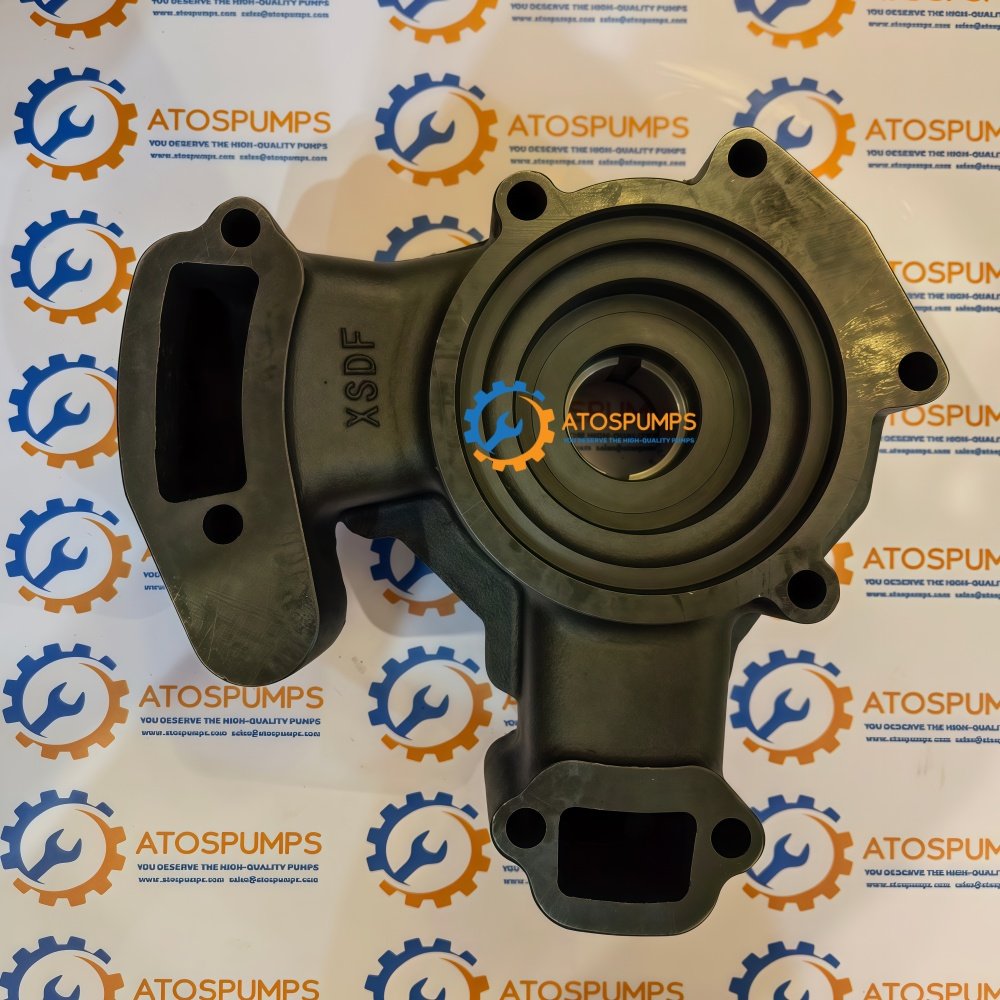

Proper transmission pump maintenance is what keeps a CATERPILLAR bulldozer pushing earth, a JCB backhoe loader digging footings, a CASE CNH tractor hauling implements, a CARRARO powershift transmission shifting smoothly, a HYUNDAI excavator grading, and a TCM forklift maneuvering in a warehouse. This single pump supplies the hydraulic pressure that engages clutch packs, feeds the torque converter, and lubricates planetary gears. A neglected pump doesn’t just wear out; it sends a cascade of debris through valve bodies and bearings, turning a manageable repair into a full transmission rebuild. Maintenance isn’t about expensive tools—it’s about disciplined attention to the pump’s three critical frontiers. Here are three original, actionable tips to keep your transmission pump alive for the long haul.
1. Defend the Fluid’s Cleanliness Like a Hydraulic Fortress
A transmission pump is a tight-clearance precision device. Internal gear-to-housing gaps and pressure plate clearances are measured in microns. Even particles invisible to the naked eye act like grinding paste, eroding the hardened surfaces of gear teeth and thrust plates. Once internal leakage paths form, the pump loses volumetric efficiency, charge pressure drops, and clutches begin to slip subtly—long before the operator feels anything wrong. On a CARRARO powershift axle used in many backhoe loaders or a CATERPILLAR 924G wheel loader, the pump draws oil from a common sump where brake debris, clutch friction material, and gear wear particles accumulate. The first line of defense is a strict filter replacement interval using media rated for the transmission’s full flow rate. Never use a generic hydraulic filter; transmission pumps require a specific micron rating and bypass valve cracking pressure matched to the system’s cold-start viscosity. When draining fluid, cut open the old filter element with a dedicated cutter and spread the pleats on a clean white cloth. A metallic glitter or dark friction material tells you more about pump distress than any gauge. Next, address the suction strainer. Many JCB and CASE CNH machines have a washable mesh screen inside the transmission sump or attached directly to the pump’s inlet elbow. A partially blocked strainer starves the pump, causing cavitation that erodes the pump body and releases hard aluminum oxide particles into the oil. Clean the strainer each fluid change with solvent and compressed air, and replace any screen that shows cracks or deformation.
2. Treat Charge Pressure as the Pump’s Voice
Your transmission pump speaks through a pressure gauge, and ignoring its voice is the costliest mistake an owner can make. Every transmission design—whether a HYUNDAI HL760 loader, a TCM FD50 forklift, or a CASE 580 Super N backhoe—has a specified charge pressure test port. This is not an optional diagnostic; it’s a vital sign. At a given engine RPM and operating temperature, the pump must deliver a steady pressure within a narrow band. A gradual decline over months, say from a nominal 18 bar to 14 bar at hot idle, means the pump’s internal clearances have worn enough to bypass a meaningful portion of flow. If you catch this early, you replace the pump and perhaps a thrust plate before slipping clutches burn and contaminate the entire system. Also watch for a fluctuating or oscillating needle. A rapid pressure tremor often points to air ingestion on the suction side—a cracked O-ring on the pump’s inlet flange or a hardening suction hose pulling air under vacuum. On a JCB 3CX backhoe, that inlet O-ring costs a few cents; ignoring the flutter can destroy the pump’s bushings in a single workday. Install a permanent mechanical gauge with a snubber if the machine lacks a reliable cab readout, and record the hot pressure at every oil change. The trend line is more valuable than any single number.
3. Protect the Pump’s Physical Foundation—Drives and Seals
A transmission pump cannot survive on clean oil and pressure alone; it needs a mechanically sound connection to the engine and a perfectly sealed suction path. Many CATERPILLAR powershift pumps are driven by a tang or splined hub that slips into the torque converter. Any wear on that drive tang—often caused by a misaligned converter or excessive end play—introduces a wobble that hammers the pump’s input bushing. The result is not gradual wear but sudden catastrophic failure, with the bushing spinning in the housing and sending brass shards through the valve body. Regularly check the torque converter end play during driveline inspections and replace the pump’s drive tang if its engagement surfaces show a wear step. On HYUNDAI and TCM machines with pump drive shafts, inspect coupling splines for fretting corrosion and lubricate with the exact grease specified, as a dry coupling induces vibration that fatigues the pump housing. Equally critical are the suction-side connections. A loose hose clamp, a hardened seal, or a hairline crack in the suction pipe allows air to be drawn in, creating a destructive air-oil emulsion that erodes internal surfaces and drastically reduces flow. For a CARRARO transmission pump on an agricultural tractor, even a poorly seated O-ring on the pump-to-housing flange can aerate the oil enough to drop charge pressure by twenty percent during a hard pull.
Maintaining a transmission pump on your CATERPILLAR, CASE CNH, JCB, CARRARO, HYUNDAI, or TCM equipment is a discipline of listening, inspecting, and respecting microscopic threats. Filter decisively, gauge relentlessly, and protect every suction seal and drive connection as if the transmission’s life depends on them—because it does. The machines that plant, dig, lift, and grade are only as reliable as the unseen pump that breathes life into their drivetrains every second the engine runs.