
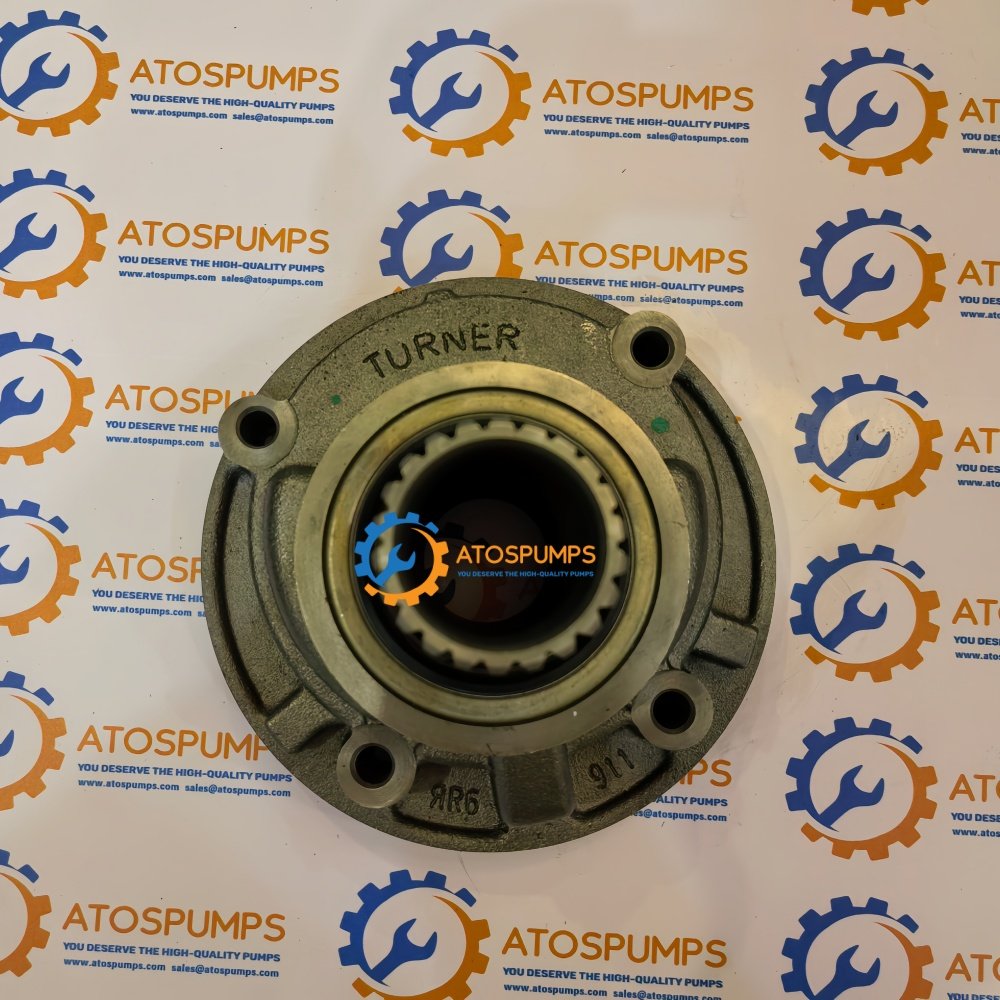
A failing transmission pump almost never fails without warning. It whines, slips, overheats, or drops pressure first—and those early signs are your window to fix or replace the pump before the whole transmission is damaged. Knowing the common transmission pump problems and their fixes lets a workshop act fast instead of guessing.
This guide lists the most frequent transmission pump problems, their root causes, the corrective action, and the preventive steps that stop them returning. When replacement is the answer, an ATOSPUMPS transmission pump—built to OEM dimensions and tested to meet or exceed factory pressure specifications—restores original shift quality with a straightforward, drop-in installation.
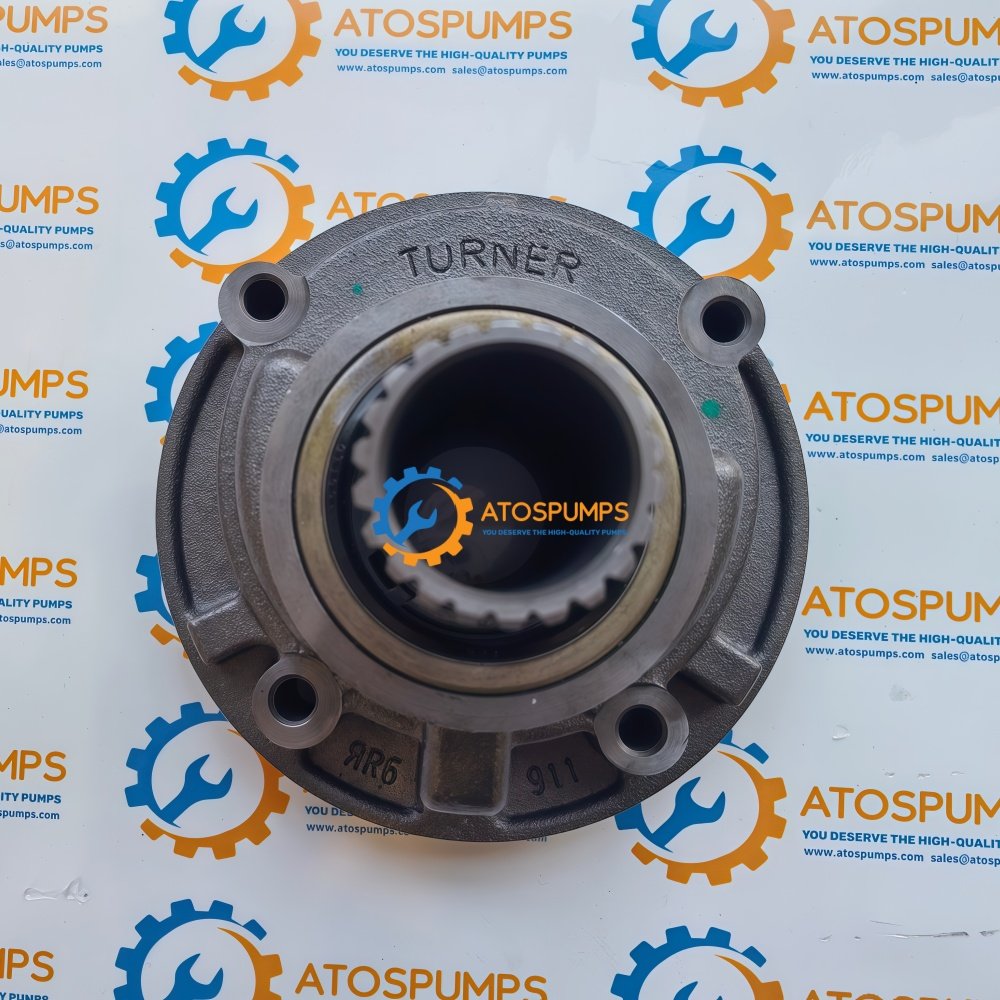
Diagnose Before You Disassemble
Before pulling the pump, confirm the symptom at the transmission test port. Low or unstable pressure, slow engagement, and overheating all point to the pump or its supply. Check fluid level and condition first—many “transmission pump problems” are actually starvation from a clogged suction screen or the wrong fluid. Spending ten minutes at the test port prevents a costly misdiagnosis and tells you whether the pump or the circuit is at fault.
Problem 1: Whining or Growling Noise
| Symptom | Likely cause | Fix |
|---|---|---|
| Whining at idle, worse when warm | Air ingestion at the suction line or worn internals | Tighten suction fittings, replace cracked hose, or replace the pump |
Air in the suction side is the most common cause of transmission pump noise. Inspect the inlet hose and o-rings for cracks and loose clamps. If the noise persists after sealing the suction side, internal clearances have opened and the pump needs replacement. A healthy ATOSPUMPS unit is balanced for quiet, vibration-free operation and will run noticeably quieter than a worn original.
Problem 2: Slow or Delayed Engagement
| Symptom | Likely cause | Fix |
|---|---|---|
| Long pause before the machine moves | Low pump flow or internal leakage | Verify pressure at test port; replace pump if below spec |
Delayed engagement means the clutches are not getting pressure fast enough. Confirm at the test port: if pressure builds slowly or never reaches specification, the pump is not delivering. An ATOSPUMPS transmission pump tested to meet or exceed factory pressure specifications restores prompt, crisp engagement.
Problem 3: Slipping Under Load
| Symptom | Likely cause | Fix |
|---|---|---|
| Loses drive when loaded, recovers when light | Pump cannot sustain pressure under flow demand | Replace pump; check relief valve and fluid condition |
Slipping under load is the pump losing the pressure battle as flow demand rises. Rule out a stuck relief valve and contaminated fluid first, then replace the pump. Our replacement cost guide helps you budget the fix.
Problem 4: Overheating Fluid
| Symptom | Likely cause | Fix |
|---|---|---|
| Fluid hot, burnt smell, soft shifts | Internal leakage generating heat; restricted cooler | Replace pump; flush and verify cooler flow |
A pump with worn internals recirculates fluid instead of pumping it, and that shear generates heat. Overheating quickly damages clutches and seals. Replace the pump and flush the circuit, then verify cooler flow before returning the machine to service.
Problem 5: External Leaks
| Symptom | Likely cause | Fix |
|---|---|---|
| Oil at the pump housing or shaft seal | Failed shaft seal or cracked housing | Replace seal, or replace pump if housing is cracked |
A weeping shaft seal is serviceable, but a cracked housing means replacement. Because ATOSPUMPS pumps are built to OEM dimensions for drop-in installation, swapping the unit reuses the original gasket surface and hardware—no machining or spacers.
Contamination: The Root of Most Transmission Pump Problems
Dirt is the number-one killer of transmission pumps. Abrasive particles score the gears, vanes, and housing, opening clearances and causing the noise, slip, and heat above. Protect the new pump with discipline:
- Replace suction and return filters on the recommended interval
- Use the specified fluid grade and keep it clean during fill
- Flush the circuit when replacing a failed pump
- Sample fluid quarterly on high-hour machines
Preventive Maintenance Checklist
- Check fluid level and condition weekly
- Record transmission pressure at the test port each service
- Replace filters per the machine schedule
- Investigate any new whine or delay immediately
- Keep a verified drop-in spare for critical machines
When to Replace Versus Repair
A transmission pump is rarely worth rebuilding in the field. The cost of a technician’s time, the need for a clean rebuild environment, and the risk of repeat failure usually exceed the price of a quality replacement. For distributors and fleets, stocking verified drop-in units—built to OEM dimensions and pressure-tested—keeps machines moving and warranty claims low.
Tools for Field Diagnosis
You do not need a workshop to catch most transmission pump problems early. A basic kit pays for itself in avoided rebuilds:
- Transmission pressure gauge with the correct adapter for the test port
- Infrared thermometer to compare pump-body and cooler-outlet temperatures
- Fluid sight sampler to check for burn and particulates
- Listening rod or stethoscope to localize whine versus valve-body noise
Record the pressure reading at every service. A creeping downward trend is the earliest warning a pump is wearing, long before the machine slips.
Quality Assurance on Replacement Units
Not all replacement pumps are equal. A unit that looks right can still fail early if it was never pressure-tested or machined to loose tolerances. ATOSPUMPS guards against this two ways: every transmission pump is tested to meet or exceed factory pressure specifications on a bench before it ships, and each is built to OEM dimensions for a straightforward, drop-in installation that reuses the original gasket surface and hardware. For distributors, that means fewer returns; for fleets, fewer repeat failures.
When to Call a Professional
If pressure stays low after a careful pump swap, or metal particles appear in the fluid, the fault is beyond the pump. A transmission specialist should inspect the valve body, relief valve, and clutch packs before you fit another unit. Fitting a fresh transmission pump into a contaminated circuit simply repeats the failure and wastes the part. A proper diagnosis—often a fluid sample and a pressure trace—costs far less than a second replacement and protects the rest of the transmission from collateral damage.
Conclusion
Most transmission pump problems announce themselves first: whining, slow engagement, slip under load, overheating, and leaks. Diagnose at the test port, rule out fluid and suction issues, then replace a worn pump with a unit built to OEM dimensions and tested to original pressure. Combine that with a contamination-control routine and you will dramatically cut transmission downtime.
Frequently Asked Questions
What causes a transmission pump to whine?
Usually air ingestion at the suction line or worn internal clearances. Check inlet hoses and o-rings first; if the noise remains, the pump needs replacement.
Why does my transmission slip under load?
The pump cannot sustain pressure as flow demand rises. Confirm at the test port, rule out the relief valve and fluid, then replace the pump if pressure is below specification.
Can a transmission pump be rebuilt in the field?
It is rarely worthwhile. Rebuild needs a clean environment and adds labor and repeat-failure risk that usually exceed the cost of a quality drop-in replacement.
How do I make a new transmission pump last longer?
Control contamination: replace filters on schedule, use specified clean fluid, flush the circuit on replacement, and sample fluid on high-hour machines.
Will an ATOSPUMPS transmission pump drop in without modification?
Yes. ATOSPUMPS units are built to OEM dimensions for straightforward, drop-in installation using the original gasket surface and hardware, and are tested to meet or exceed factory pressure specifications.
Need a verified drop-in transmission pump for a down machine? Request a quote from ATOSPUMPS with the make, model, and serial number, and we will confirm the correct replacement and lead time.