
A power steering pump is the heart of a vehicle’s hydraulic steering system: it pressurizes fluid so the steering rack or box moves with light effort, even when the engine is at idle or the wheels are turned hard against a curb. Choose the wrong unit and you get whine, stiff steering, leaks, or premature failure. Choose the right one and the pump drops in, holds pressure, and runs quietly for the life of the vehicle. This guide walks buyers, importers, and repair shops through exactly how to specify a car power steering pump or truck power steering pump that fits and lasts.
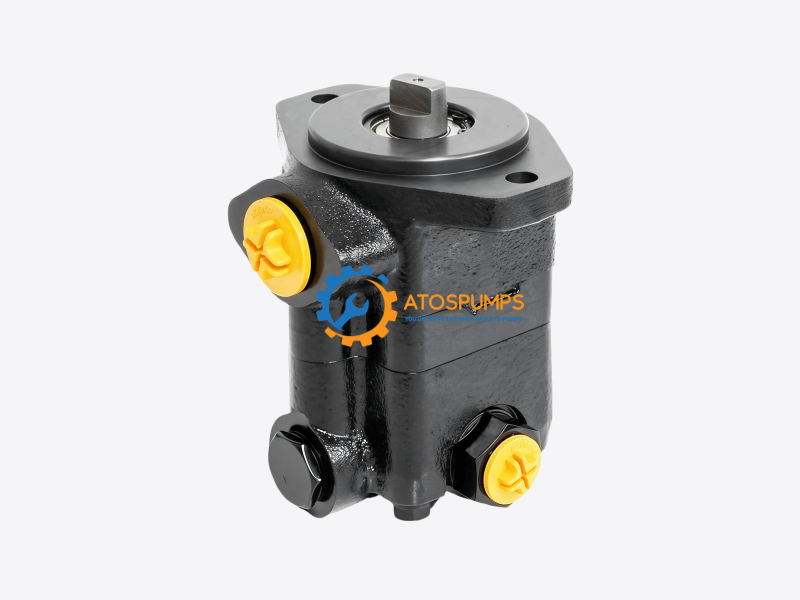
What a Power Steering Pump Actually Does
The pump is engine-driven (by belt or through the front gear train) and converts mechanical rotation into hydraulic pressure, typically in the 80-145 bar (1,200-2,100 psi) range for passenger cars and higher for heavy trucks. A reservoir feeds fluid into the pump; the pump pushes it to the steering gear; the gear translates pressure into rack movement. When flow or pressure drops below spec, the driver feels it as heaviness, noise, or a wandering wheel. That is why matching the pump to the application matters more than chasing a low price.
Step 1: Lock Down the Application
The single biggest cause of returns is buying by “looks similar” instead of by fitment. Start from the vehicle, not the shelf. ATOSPUMPS power steering pumps are built as direct-fit replacements across a wide range of vehicles and engines, including:
- Passenger cars – Daewoo, Honda, and Mazda platforms, where compact pump size and quiet operation matter most.
- Light and medium trucks – units engineered around Cummins-powered trucks and other diesel platforms such as DAF, Foton, Hino, Hyundai, Isuzu, Iveco, and MAN.
- Tractors and farm equipment – Ford and Massey Ferguson fitments, plus a broad range of Jeeps and SUVs.
If you serve mixed fleets, confirm the exact model year and engine code before quoting. A Cummins-compatible power steering pump such as the 4937729 replacement is a good reference example of an OEM-matched fitment built for harsh under-hood duty.
Car Power Steering Pump vs Truck Power Steering Pump
Do not assume they are interchangeable. Car pumps are smaller, lower-flow, and tuned for quietness. Truck and bus pumps push higher pressure and volume to move heavier steering gears, and they run hotter under continuous load. Specifying a car pump on a truck will overheat and fail; specifying a truck pump on a car can make the steering feel twitchy. Match the pump class to the vehicle class.
Step 2: Match the Physical and Performance Specs
Once the application is set, verify these dimensions against the original unit or the OE number:
| Spec | Why it matters |
|---|---|
| Pulley type & shaft | Serpentine vs V-belt, keyed vs splined shaft – must seat on your hub. |
| Mounting flange & bolt pattern | Decides whether the pump bolts straight in or needs adapters. |
| Pressure & flow rating | Must meet the steering gear’s demand or steering gets heavy. |
| Reservoir style | Remote vs integrated; must match your lines and bracket. |
| Rotation direction | Clockwise vs counter-clockwise – reversed rotation destroys the pump. |
When in doubt, send us the OE part number and a photo of the installed pump. Our team maps it to the correct ATOSPUMPS replacement and confirms rotation, flange, and pressure before shipment.
Step 3: Why Direct-Fit, OEM-Quality Pumps Beat Generic Copies
A steering pump is safety-related. Generic units often save cost by using thinner housings, softer seals, and untreated shafts that corrode in the first winter. ATOSPUMPS takes the opposite approach on three points buyers care about:
- Durable internal components for a long, reliable service life under continuous load.
- Corrosion-resistant materials that survive harsh under-hood heat, moisture, and road salt.
- Direct-fit design that ensures quick, hassle-free installation with no fabrication.
Every unit is produced under an ISO 9001 quality system, so the pump you stock this month is built to the same standard as the one you reorder next quarter. For importers and repair chains, that consistency is what keeps warranty claims low.
Step 4: Verify the Part Number and Confirm Before You Buy
The fastest path to a correct order is the OE or reference number. Cross it against the application list, then confirm three things: (1) the vehicle make and engine, (2) the pulley and shaft style, (3) the pressure class. If you are building a recurring order, we can pre-qualify a shortlist of Cummins and other truck power steering pump replacements so your buyers always get the right box the first time.
Step 5: Get Pressure and Flow Right
Two numbers decide whether a pump feels right: pressure (bar/psi) and flow (L/min or GPM). The steering gear demands a certain pressure to move the wheels; the pump must deliver it at idle and hold it through the RPM range. Too little and the wheel is heavy; too much and seals and hoses fail early. Flow sets how fast the wheel returns to center. When you send us an OE number, we return the exact pressure and flow class so the replacement behaves like the original – not just “close enough.”
Common Fitment Mistakes to Avoid
- Buying by photo only – two pumps can look identical and still differ in shaft, rotation, or pressure class.
- Ignoring rotation direction – a reversed pump cavitates and fails within hours.
- Mixing fluid specs – always use the fluid the vehicle manufacturer calls for.
- Reusing old hoses – a swollen suction hose on a new pump pulls air and mimics a bad pump.
- Skipping the test drive – verify quiet operation and correct pressure before the vehicle leaves the bay.
Bulk Ordering for Importers and Repair Chains
If you stock pumps across a fleet or run multiple stores, standardize on a short, verified fitment list. Send us your top vehicle applications and target volumes and we pre-qualify the matching ATOSPUMPS part numbers, so every branch pulls the correct box from the shelf. Because production runs under ISO 9001, the unit you reorder next season matches the one you fitted today – no surprise in dimension or finish. That consistency is what keeps warranty claims and comebacks down across a distributed network.
Why Buyers Choose ATOSPUMPS Power Steering Pumps
ATOSPUMPS supplies retailers, repair stores, importers, and heavy-machinery companies with steering pumps engineered for real-world fleets – from Daewoo and Honda cars to Cummins-powered trucks and Massey Ferguson tractors. The combination of ISO 9001 manufacturing, corrosion-resistant construction, and true direct-fit geometry means less comeback, fewer leaks, and quieter steering for your end customers. See the full fitment range and request volume pricing on the product page.
Frequently Asked Questions
How do I know which power steering pump fits my car?
Start from the vehicle make, model year, and engine code, then match the OE part number. Confirm pulley type, shaft, mounting flange, and rotation direction against the original before ordering.
Can a truck power steering pump be used on a car?
Generally no. Truck pumps deliver higher pressure and flow than car steering gears expect, which can make steering erratic and overheats the unit. Always match the pump class to the vehicle class.
What does ISO 9001 mean for a steering pump?
It means the pump is made under a certified quality-management system with documented processes and inspection, so every batch meets the same specification – important for importers who reorder regularly.
Do ATOSPUMPS pumps come as direct-fit replacements?
Yes. The design targets the original mounting, pulley, and pressure specs so installation is straightforward without custom adapters or fabrication.
Should I buy a power steering pump by price or by fitment?
Fitment first, always. A cheaper unit that does not match rotation, pressure, or flange costs more in the long run through leaks, comebacks, and lost customer trust. Confirm the correct part number, then compare on quality and lead time – not on price alone.
Get a Quote
Ready to stock or replace? Request a Quote with your vehicle list and target volumes, or email sales@atospumps.com. Our sourcing team will confirm fitment and lead time so your order ships right the first time.