

Introduction
In the demanding world of commercial transportation, logistics, and construction, every component of a heavy-duty truck must deliver unwavering reliability. Among these, the power steering pump stands as a cornerstone of operational safety and driver comfort. A single failure doesn’t just mean a repair bill—it means unplanned downtime, delayed deliveries, and potential safety hazards on the road. For fleet managers, procurement directors, and importers sourcing components for brands like DEUTZ, FORD, FOTON, HINO, HYUNDAI, ISUZU, MITSUBISHI, and SCANIA, understanding the intricacies of this hydraulic heart is not optional; it’s a business imperative. At ATOSPUMPS, we don’t just sell units; we deliver precision-engineered solutions that keep your fleet moving. This comprehensive guide dives deep into the technology, selection criteria, and performance benchmarks of modern power steering pumps, ensuring your next procurement decision is an informed one.
Understanding the Core Function of a Power Steering Pump
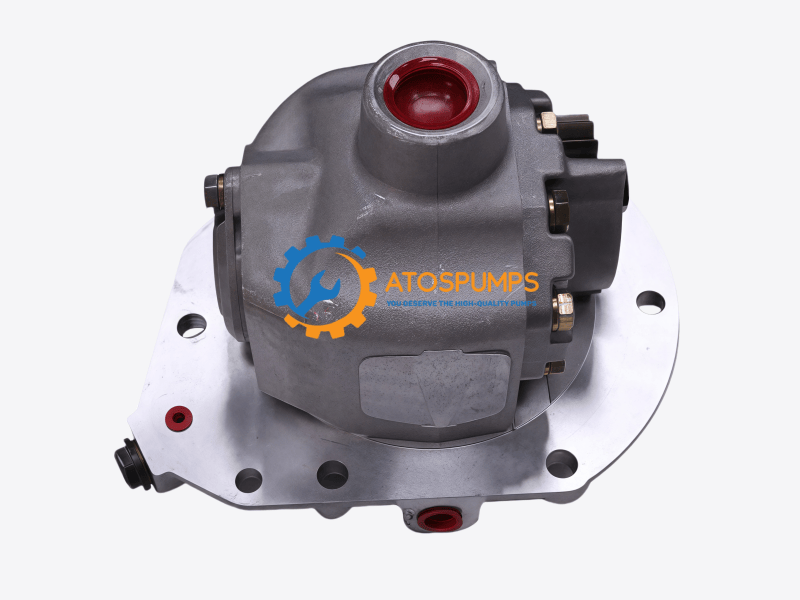
A power steering pump is a rotary-vane or gear-driven hydraulic pump that draws fluid from the reservoir, pressurizes it, and directs it to the steering rack or box. When the driver turns the wheel, the pump provides the hydraulic assist needed to turn the heavy wheels, especially at low speeds or when stationary under massive front-axle loads. In trucks from ISUZU or HINO, where gross vehicle weights can exceed 20 tons, the pump works under extreme thermal and mechanical stress. Without a properly functioning pump, steering effort multiplies exponentially, causing driver fatigue and drastically reducing vehicle control. The technology has evolved from simple fixed-displacement units to more sophisticated designs, but the fundamental goal remains the same: convert engine rotational energy into smooth, responsive hydraulic force.
Common Failure Symptoms and the Hidden Costs of Downtime
Recognizing the early warning signs of a failing power steering pump can save a fleet thousands of dollars. The most prevalent symptoms include a groaning or whining noise when turning the wheel, a stiff or jerky steering feel, visible fluid leaks around the pump shaft seal, and discolored or aerated power steering fluid. For a logistics manager overseeing a fleet of FOTON or DEUTZ trucks in South Africa or Brazil, these symptoms are a red flag. Ignoring them often leads to catastrophic pump seizure, which can snap the serpentine belt and leave a truck stranded. The hidden costs—emergency towing, missed delivery windows, and reputational damage—far outweigh the price of a proactive replacement. That’s why ATOSPUMPS emphasizes predictive maintenance and high-quality replacement units that match or exceed OEM specifications.
How to Replace Power Steering Pump: A Strategic Overview for Fleet Workshops
While ATOSPUMPS always recommends professional installation, understanding the replacement process empowers purchasing managers to assess labor costs and technician competency. The job typically involves securing the vehicle, disconnecting the battery, removing the serpentine belt, draining the hydraulic fluid, and unbolting the old pump from its mounting bracket. When you install a new unit from ATOSPUMPS, the process is streamlined thanks to precision-machined mounting faces and pre-set flow control valves. After bolting the new pump in place, torquing to spec, reconnecting the pressure and return lines, and refilling with high-quality ATF or dedicated power steering fluid, bleeding the system of air is critical. This step-by-step familiarity ensures you can accurately evaluate workshop quotes and guarantee that the pump you source from us is installed optimally.
The Critical Role of a Power Steering Pump Pressure Test
To truly verify system health, a power steering pump pressure test is non-negotiable. This diagnostic procedure uses a dedicated pressure gauge connected in-line between the pump’s high-pressure outlet and the steering rack. At idle, with the steering wheel held against the lock, the pump should rapidly build pressure to its specified relief setting, often between 1,200 and 1,500 PSI for heavy-duty applications. A pump that cannot reach this pressure, or one that fluctuates wildly, has a worn internal pressure relief valve, scored housing, or a failing flow control spring. When our clients in the UAE or Oman receive a batch of ATOSPUMPS units, we recommend performing this quick 10-minute test upon installation to document baseline performance. It guarantees that our power steering pump meets the demanding output your SCANIA or MITSUBISHI truck requires, building long-term trust in our quality.
Introducing ATOSPUMPS USPs: Built for Comfort, Control, and Quiet Operation
Our hot-selling power steering pumps are not just generic replacements; they are performance upgrades for your fleet. Our engineering philosophy centers on three core Unique Selling Points. First, our pumps dramatically enhance driving comfort and overall vehicle control by delivering consistent hydraulic flow even at low engine RPMs, eliminating the “morning stiffness” common in older pumps. Second, we engineer our internal valve stacks to offer a precise, responsive steering feel for confident handling, removing the dead zone on-center that plagues inferior copies. Third, and crucially for driver retention, our pump operates with low noise and minimal vibration for a quiet cabin. By using tightly toleranced rotors and optimized cam ring profiles, we banish the irritating whine that causes driver fatigue on long hauls from Casablanca to Riyadh.
Global Supply Capability and Trust Signals
ATOSPUMPS holds CE and ISO 9001 certifications, a testament to our rigorous quality management and compliance with international health, safety, and environmental standards. Our production lines utilize automated CNC machining and 100% end-of-line hydraulic testing, ensuring zero-defect delivery. We maintain substantial buffer stock in strategic logistics hubs, enabling us to ship a power steering pump for sale to a wholesale importer in Colombia, a retailer in Mexico, or a mining operator in Chile within days, not weeks. Our documentation team handles all export paperwork, certificates of origin, and customs clearance facilitation, making us a true one-stop strategic partner rather than just a vendor.
Making the Right Selection: Compatibility with DEUTZ, FORD, SCANIA, and Beyond
Selecting the correct power steering pump requires more than just a visual match. Our online catalog and expert sales engineers cross-reference the original equipment manufacturer’s part numbers for DEUTZ, FORD, FOTON, HINO, HYUNDAI, ISUZU, MITSUBISHI, and SCANIA models. We provide detailed spec sheets showing flow rate, maximum pressure, port thread types, and pulley offset dimensions. This eliminates the costly risk of receiving a mismatched pump. Whether you are a Commodity Manager consolidating your supply chain or an Inventory Manager restocking fast-moving SKUs, our technical data gives you the confidence to order in bulk.
Secure Your Supply Today
Don’t let a failing steering pump paralyze your fleet. The difference between a stranded truck and a perfectly executed delivery is the quality of the component you install. Contact us now to check our power steering pumps which you are looking for. Send us your OEM numbers or sample photos via WhatsApp or email, and our technical team will provide a competitive bulk quotation within hours. Request a free sample for pressure testing and validate our USPs on your own workshop floor. Alternatively, subscribe to our weekly blog updates for the latest technical insights, maintenance tips, and exclusive stock clearance offers. At ATOSPUMPS, we are ready to become your trusted, certified pump supplier.