
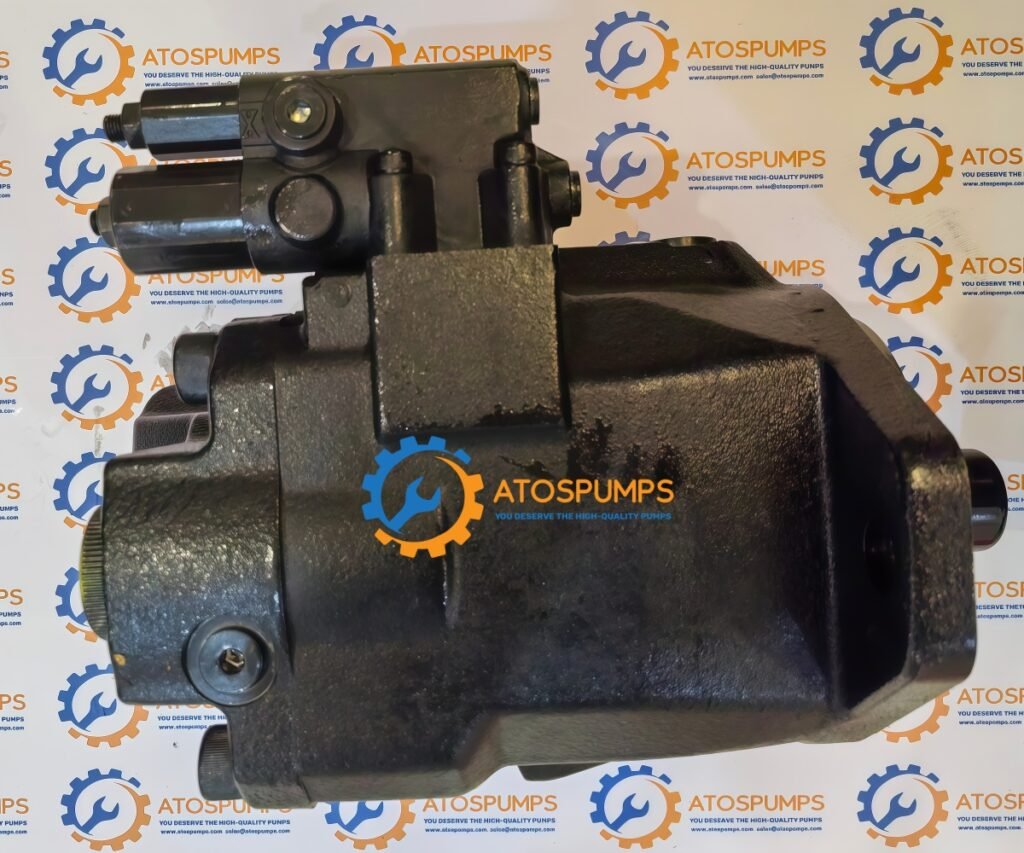

A piston pump is the high-pressure heartbeat of heavy machinery. In a CATERPILLAR wheel loader lifting tons of aggregate, a REXROTH excavator breaking hard ground, an EATON-equipped compactor rolling asphalt, or a JOHN DEERE tractor pulling a ripper through tough soil, the piston pump converts engine torque into precise, controllable hydraulic force. Unlike gear pumps, piston pumps use a rotating cylinder block and reciprocating pistons to generate flow at pressures often exceeding 350 bar. This complexity delivers unmatched efficiency, but it also demands disciplined maintenance. A neglected pump doesn’t simply lose pressure—it self-destructs, sending high-velocity metal fragments into valves, cylinders, and the entire hydraulic system. Here are four original, in-depth tips to maintain your piston pump and keep your equipment productive for the long haul.
1. Guard Oil Cleanliness as the Absolute First Priority
Internal clearances between piston shoes and swash plate, cylinder block face and valve plate, and pistons and bores are measured in single-digit microns. Any particle larger than the oil film thickness becomes a cutting tool. In a CATERPILLAR 966 wheel loader or bulldozer working in dusty environments, external contamination enters through worn cylinder seals, breather caps, and even during oil top-ups. Once inside, silica dust and metallic wear debris erode precision-lapped surfaces, causing internal bypass that overheats the oil and generates even more particulate. Break this cycle with a layered cleanliness protocol. Replace the hydraulic reservoir breather annually, or upgrade to a desiccant breather that traps moisture and fine dust. Never open the system in the field without first cleaning the surrounding area; a single grain of sand on a filler cap can trigger a catastrophic cascade. Implement regular oil sampling and particle count analysis. A sudden jump in the ISO cleanliness code, especially in the 4-micron and 6-micron ranges, warns of pump distress before pressure drops appear. Use only the correct micron-rated return and pressure filters specified by the pump manufacturer—not generic equivalents. A REXROTH axial piston pump in an excavator may require a high-pressure filter with a specific beta ratio to protect the case drain circuit. Change filters on a strict hour-based schedule and cut open spent elements to inspect for bronze or steel flecks. This vigilance keeps you ahead of failure.
2. Monitor Case Drain Flow as the Early Warning System
Every piston pump leaks a small amount of oil internally for lubrication and cooling, returning it to the tank through the case drain line. As internal wear increases, case drain flow rises measurably before any loss of working pressure becomes noticeable. This is your most valuable diagnostic window. On a JOHN DEERE tractor performing heavy draft work or an EATON pump powering a wheel loader, establish a baseline case drain flow at normal operating temperature and rated engine speed. Use a portable flow meter or install a permanent indicator. A healthy pump might bypass 3 to 5 litres per minute; a worn unit could double that. When the flow exceeds the manufacturer’s maximum threshold, the pump is generating enough heat and contamination to threaten the entire system. Do not ignore a gradual upward trend. Sudden spikes often indicate a cracked piston shoe or fatigued valve plate, and continued operation can cause the slipper pad to disintegrate, scattering hardened steel fragments through the closed loop. Catching rising case drain flow early lets you schedule a pump rebuild during planned downtime, replacing only the rotating group and seals rather than buying a new pump and flushing the entire circuit. This practice alone can extend the service life of your CATERPILLAR backhoe loader or compactor by thousands of hours.
3. Execute Proper Start-Up and Warm-Up Without Exception
Cavitation and cold-start starvation are the silent killers of piston pumps. After sitting overnight, oil drains back from the pump housing, leaving the rotating group momentarily dry. Cranking or revving immediately forces pistons to slide against the swash plate without a full oil film, causing permanent damage. For a CATERPILLAR D6 bulldozer parked on a cold morning or a REXROTH excavator starting after a weekend, always pre-fill the pump housing through its case drain port before initial start-up after an oil change or long shutdown. During daily operation, idle the engine at low RPM for at least five minutes before demanding full hydraulic flow. This idle period lets warm oil circulate, gradually expanding internal components and re-establishing the hydrodynamic film. Never throttle up a cold machine to speed the process; thick oil cannot flow fast enough through the suction line, and the pump cavitates, pulling vacuum voids that implode and pit the valve plate. In freezing conditions, use a reservoir heater or pump housing heater. The same care applies after any hydraulic repair. If you install a new hose or cylinder, flush the line before connecting it to the pump’s pressure port. A single metal burr or piece of thread sealant can destroy a perfectly good piston pump within minutes.
4. Maintain Mechanical Integrity: Shaft Alignment, Mounting, and Vibration
A piston pump’s external connections are just as critical as its internal precision. The pump shaft coupling must absorb angular misalignment without transmitting side loads to the input bearing. On an EATON pump driven by a gearbox or a CATERPILLAR pump bolted to a flywheel housing, regularly inspect the coupling spider or flex disc for wear. A worn coupling induces vibration that damages the shaft seal, allows air into the suction line, and fatigues the mounting flange. Even slightly loose bolts cause misalignment and fretting, introducing metal particles into the reservoir. Tighten all mounts to manufacturer torque specifications and use a dial indicator to verify shaft runout. Check the case drain line for kinks, blockages, or internal collapse; a restricted drain creates excessive backpressure that can blow out the shaft seal and force oil into the engine bell housing. On a JOHN DEERE tractor, a blown seal can contaminate the clutch, leading to expensive dual repairs. Pay attention to external leaks around the control servo or displacement adjuster. Leaking seals allow air to enter, causing erratic swash plate movement and jerky hydraulic functions. Replace hardened O-rings immediately with a seal kit from a supplier matching original material specifications.
When cleanliness, case drain flow, start-up discipline, and mechanical connections are managed with care, your piston pump will deliver reliable high-pressure flow across tens of thousands of hours. Whether you operate a CATERPILLAR wheel loader, a JOHN DEERE tractor, an EATON compactor, or a REXROTH excavator, these practices protect your entire hydraulic investment. If you need a quality piston pump replacement or a reliable power steering pump, we invite you to send us your inquiry. Our team will match your machine to the right pump with the performance, durability, and support you deserve.