
When a transmission pump fails, the first question is always the same: what will a transmission pump replacement cost? The honest answer is that the pump is only part of it—labour, fluid, filters, and the cost of downtime usually outweigh the part itself. This guide breaks down the real transmission pump replacement cost, the factors that move it, and how to spend less without gambling on a weak part. Understanding the full cost before you approve the repair also helps you decide whether to fix the machine or redeploy it, which matters for fleet planning.
Whether you run a single machine or a fleet, understanding the cost structure helps you budget the repair and choose between repair, aftermarket, and OEM-quality replacement. ATOSPUMPS supplies transmission pumps built to OEM dimensions and tested to meet or exceed factory pressure specifications, so the replacement restores original shift quality with a straightforward, drop-in installation.
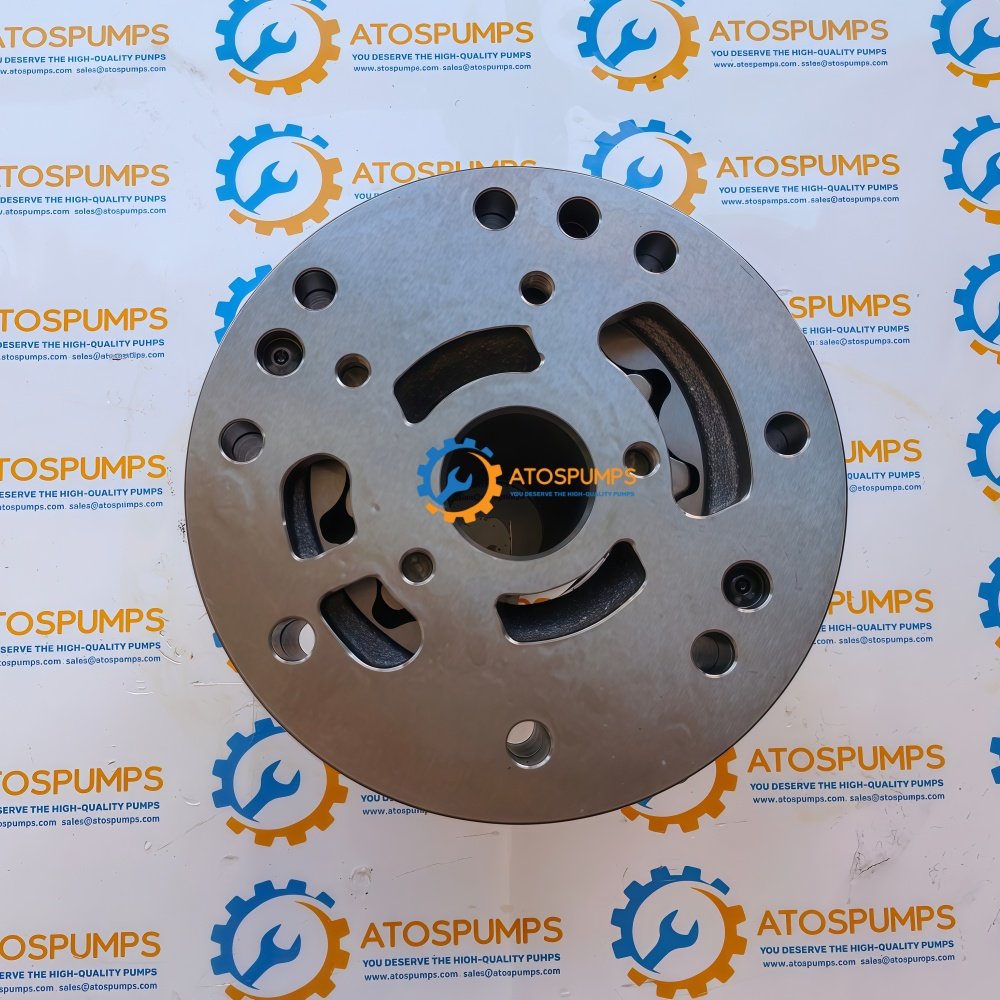
What Makes Up the Transmission Pump Replacement Cost
The total cost is the sum of four parts, not just the pump price:
| Cost component | Typical share | Notes |
|---|---|---|
| Pump (part) | 30–50% | Varies by design, brand, and quality tier |
| Labour | 20–40% | One to three hours at shop rate |
| Fluid & filters | 5–15% | Flush and refill on replacement |
| Downtime | Up to 50% | Lost work while the machine is idle |
For a fleet, downtime is often the largest single cost—which is why a reliable, drop-in pump that installs fast protects more than the parts budget.
Typical Transmission Pump Replacement Cost Ranges
Market prices vary by machine and region, but indicative ranges for a transmission pump replacement cost are:
- Aftermarket gear pump — commonly the lower end of the range; lowest upfront price, variable quality
- OEM-quality replacement — mid range; built to original dimensions and pressure-tested, lower lifetime cost per hour
- Genuine OEM pump — top of the range; highest price, original packaging
Exact figures depend on displacement, pressure rating, and machine. The smart comparison is not the sticker price but the cost per operating hour, including the risk of a comeback.
Factors That Change the Price
- Pump design — vane pumps cost more than gear pumps due to tighter tolerances
- Machine rarity — low-volume models carry a premium and longer lead time
- Quality tier — a pressure-tested, ISO 9001 unit costs more up front than an untested bargain part
- Quantity — distributors and fleets lower unit cost through volume programs
- Lead time — urgent air freight adds cost versus planned stock
OEM-Quality vs Genuine vs Bargain
A bargain transmission pump looks cheap until it fails early. The hidden costs are returns, repeat labour, and the downtime it causes. An OEM-quality replacement—dimensionally identical to the original and bench-tested—closes most of the price gap with genuine OEM while avoiding the comeback risk of an untested part. ATOSPUMPS builds to this standard across backhoe loaders, tractors, and forklifts from major brands, so one supplier covers your range.
How to Reduce Transmission Pump Replacement Cost
- Stock verified spares for your highest-hour machines to avoid rush freight
- Buy on total value, not sticker price—factor in comeback risk and downtime
- Install correctly the first time following a clean installation procedure to avoid leaks and air ingestion
- Control contamination so the new pump is not killed by dirty fluid
- Consolidate suppliers to improve volume pricing and paperwork
When Replacement Beats Repair
Field-rebuilding a transmission pump rarely pays off: a clean rebuild environment, technician time, and repeat-failure risk usually exceed a quality replacement. If the bore is scored or the housing cracked, replacement is the only durable fix. Our transmission pump problems guide helps confirm the diagnosis before you spend.
Why the Right Pump Lowers Total Cost
The cheapest transmission pump replacement cost is the one you only do once. A unit built to OEM dimensions, pressure-tested, and certified under ISO 9001 reduces returns, protects uptime, and simplifies reordering across your machine range. For distributors, that means fewer warranty claims; for fleets, fewer repeat failures.
A Sample Replacement Cost Scenario
To make the math concrete, consider a backhoe loader with a failed transmission pump. A bargain pump might look cheapest on the invoice, but if it fails at 400 hours the true transmission pump replacement cost doubles: a second part, a second labour charge, and another stretch of downtime. An OEM-dimension, pressure-tested unit that reaches 2,000 hours on the first fit is cheaper per hour even at a higher sticker price. The comparison that matters is always cost per operating hour, not the line item.
Calculating Cost Per Operating Hour
Use a simple formula to compare options:
- Total cost = pump + labour + fluid/filters + downtime value
- Expected life = realistic hours for the quality tier chosen
- Cost per hour = total cost ÷ expected life
When you run this for a bargain part versus an OEM-quality transmission pump, the apparent saving usually disappears once comeback labour and downtime enter the equation. For fleets running many machines, the gap compounds across the whole population.
Hidden Costs That Inflate the Bill
Two costs catch buyers off guard. The first is rush freight: ordering a transmission pump after the machine is already down can double the delivered price compared with planned stock. The second is collateral damage—a pump that fails catastrophically can take the clutch packs or valve body with it, turning a simple pump swap into a full transmission rebuild. Both are avoidable: stock verified spares for your high-hour machines and replace at the first clear symptom rather than at total failure, when the repair is still contained.
Conclusion
The transmission pump replacement cost is more than the part: labour, fluid, filters, and downtime often dominate. Compare options on cost per operating hour, not sticker price, and choose an OEM-dimension, pressure-tested unit installed correctly the first time. That approach—supported by contamination control and planned stock—delivers the lowest true cost and the least downtime.
Frequently Asked Questions
What is the typical transmission pump replacement cost?
The pump itself is usually 30–50% of the total; labour, fluid, filters, and downtime make up the rest. Indicative part prices range widely by design and machine, with aftermarket at the low end, OEM-quality in the middle, and genuine OEM at the top.
Is a cheap transmission pump worth it?
Not usually. A bargain pump that fails early adds repeat labour and downtime that exceed the upfront saving. An OEM-dimension, pressure-tested unit costs more initially but lowers total cost per operating hour.
Does an OEM-quality pump cost the same as genuine OEM?
Generally less. OEM-quality replacements are built to the original dimensions and pressure-tested, closing most of the price gap with genuine OEM while avoiding the comeback risk of untested bargain parts.
How can I lower my transmission pump replacement cost?
Stock verified spares for high-hour machines, buy on total value rather than sticker price, install correctly the first time, control fluid contamination, and consolidate suppliers for volume pricing.
Should I repair or replace a failed transmission pump?
Replace in almost all field cases. Rebuilding needs a clean environment and carries repeat-failure risk that usually exceeds a quality drop-in replacement, especially if the bore or housing is damaged.
Want a firm transmission pump replacement cost for your machines? Request a quote from ATOSPUMPS with your make, model, and volumes, and we will confirm part pricing, lead time, and volume terms.