
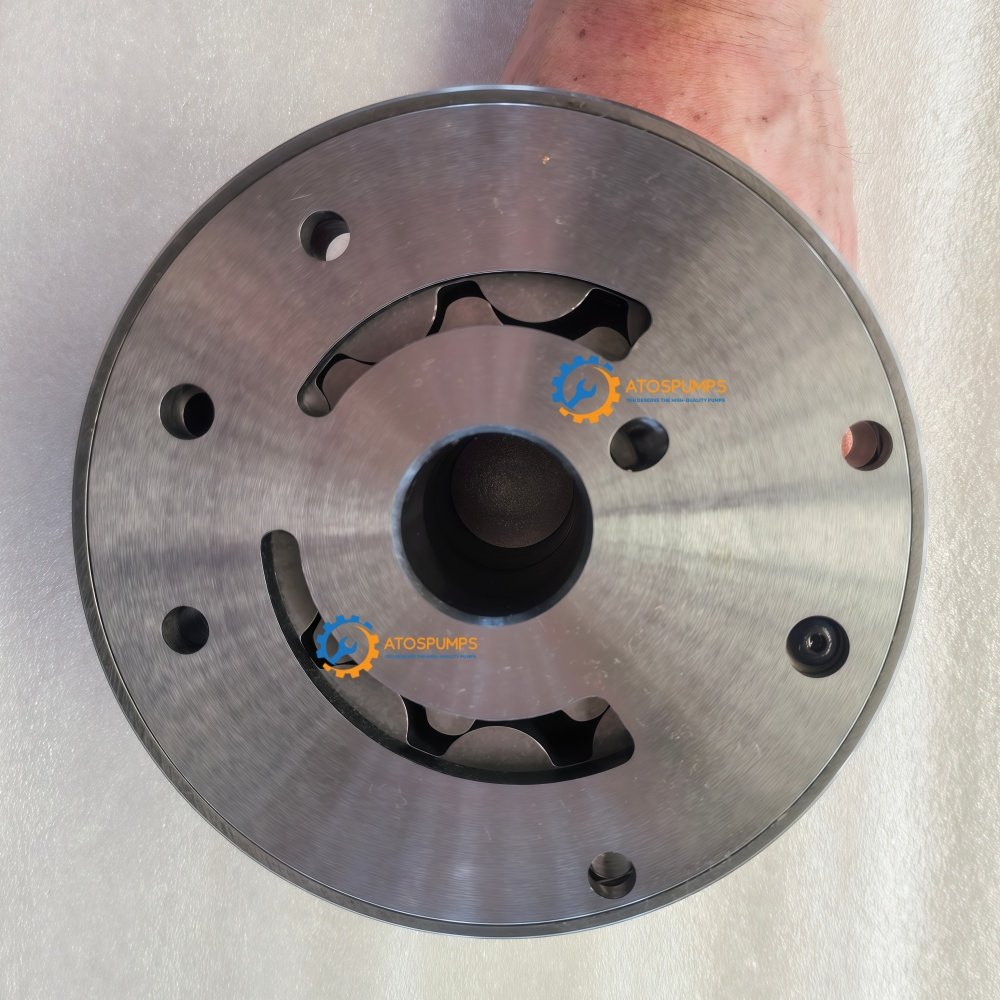
A transmission pump is the hydraulic heart of any powershift or hydrostatic transmission. It is the component that draws transmission fluid from the sump and pressurizes it so the clutch packs can engage and the machine can drive. When the pump is healthy, shifts are crisp and the transmission runs quietly; when it fails, the machine loses drive pressure and eventually stops moving. Understanding what a transmission pump is, how it works, and which type fits your equipment is the foundation for every buying, installation, and repair decision that follows.
This guide covers the function of a transmission pump, the two main designs you will meet, the key specifications that define performance, and where these pumps are used. It is written for equipment owners, parts distributors, and fleet engineers who specify transmission pumps in volume.
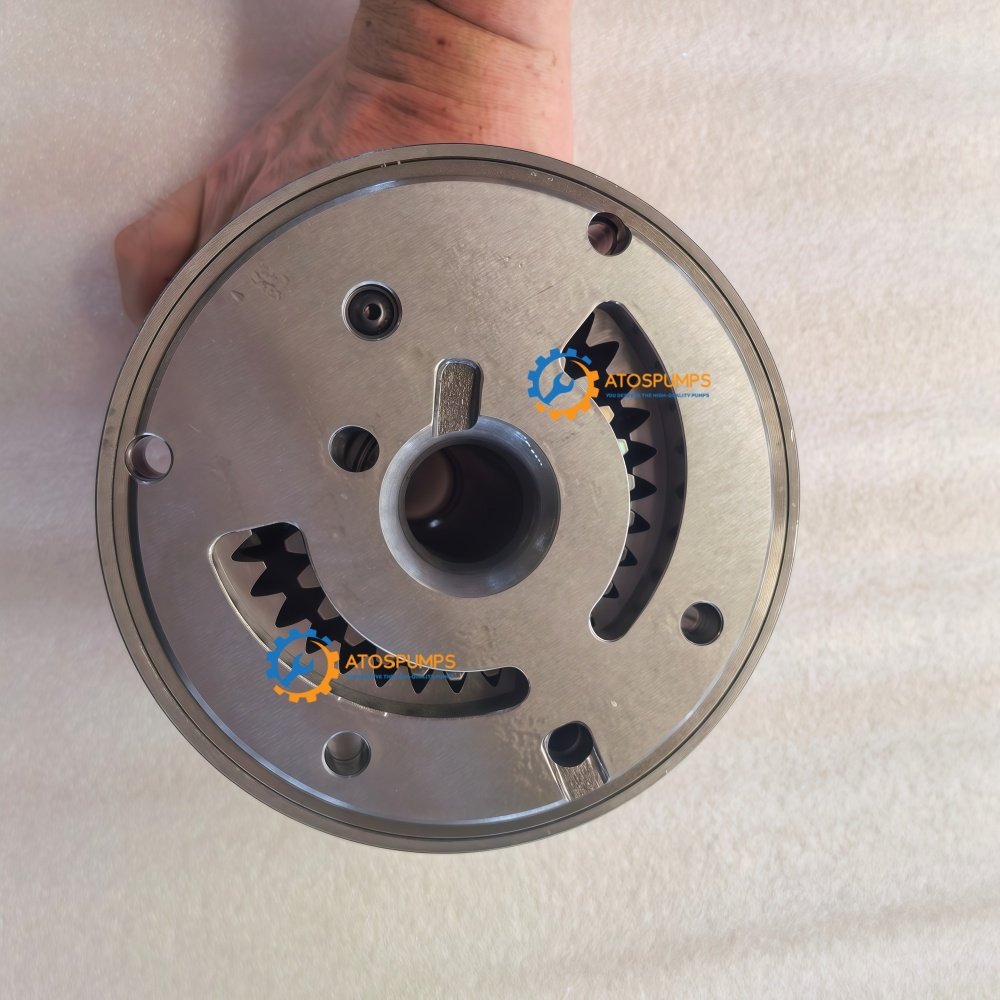
What Is a Transmission Pump?
A transmission pump is a positive-displacement hydraulic pump mounted inside or directly behind the transmission housing. Its single job is to generate flow and pressure. The engine turns the pump through the input shaft; the pump pulls fluid from the sump and pushes it, under pressure, into the transmission’s valve body, clutch circuits, and lubrication passages.
Without that pressure, a powershift transmission cannot apply its clutches, and a hydrostatic transmission cannot transfer torque to the wheels or tracks. In plain terms: the transmission pump is what makes the transmission function at all.
How a Transmission Pump Works
The operating principle is straightforward. As the pump’s gears or vanes rotate, they create a low-pressure zone at the inlet that draws fluid in. The fluid is carried around the pump’s periphery and forced out at the outlet. Because the outlet is restricted by the transmission’s valves and clutch orifices, pressure builds. Two numbers define the result:
| Specification | Meaning | Why it matters |
|---|---|---|
| Displacement (cc/rev) | Fluid volume moved per revolution | Sets maximum flow at a given engine speed |
| Maximum pressure (bar / psi) | Pressure the pump can sustain | Must meet or exceed the transmission’s clutch requirement |
| Speed rating (rpm) | Safe continuous operating speed | Prevents cavitation and seal failure |
An ATOSPUMPS transmission pump is tested to meet or exceed factory pressure specifications, so the replacement restores the transmission to its original shift quality rather than leaving it soft or slow.
Types of Transmission Pump
Most transmission pumps fall into two families. Knowing the difference helps you choose, install, and maintain the right unit.
Gear Transmission Pump
A gear transmission pump uses meshing gears—either two external gears or an internal gear and ring (gerotor)—to trap and move fluid. It has few moving parts and generous internal clearances, which makes it robust and tolerant of contamination. Gear pumps are the most common design in construction and agricultural transmissions.
Vane Transmission Pump
A vane transmission pump uses spring- or pressure-loaded vanes that slide in a rotor. The design produces very smooth, low-pulsation flow and quiet, vibration-free operation. The trade-off is tighter contamination tolerance, so it demands cleaner fluid and disciplined filtration. The choice between gear and vane depends on your duty cycle and fluid cleanliness—our team can advise the right type when you request a quote.
Where Transmission Pumps Are Used
The same transmission pump principle appears across a wide range of mobile equipment. ATOSPUMPS builds transmission pumps for backhoe loaders, tractors, and forklifts from major OEMs, each manufactured to the original equipment dimensions for a straightforward, drop-in installation. Common applications include:
- Backhoe loaders — CASE, CATERPILLAR, VOLVO, KOMATSU, JCB, CARRARO, TEREX
- Axles and transmissions — SPICER units for DANA
- Tractors — JOHN DEERE
- Forklifts — TCM and TOYOTA
Why OEM-Quality Fit Matters
A transmission pump sits in a precision-machined bore. A replacement that is off in shaft length, flange pattern, or port position will not seat correctly, causing leaks, noise, or early failure. ATOSPUMPS builds each transmission pump to OEM dimensions so the technician removes the old unit and bolts the new one in using the existing gasket surface and hardware—no shimming, no machining.
Signs a Transmission Pump Is Failing
Catching a failing pump early prevents a transmission rebuild. Watch for:
- Slow or delayed engagement when selecting a gear
- Slipping under load, especially when warm
- Whining or growling from the transmission at idle
- Overheating of the transmission fluid
- Low or unstable pressure at the transmission test port
Our guide to common transmission pump problems walks through each symptom and the fix.
Next Steps: Install or Replace
Once you have confirmed the pump type and specification, the practical questions are installation and cost. Our transmission pump installation guide gives a step-by-step procedure, and our replacement cost guide explains what to budget and how to save.
How to Read a Transmission Pump Specification Sheet
When you order a replacement, the spec sheet is your confirmation that the part fits. The lines that matter most are:
- Displacement (cc/rev) — must match the original to deliver the right flow at a given engine speed
- Maximum pressure (bar / psi) — must meet or exceed the transmission’s clutch requirement
- Rotation — CW or CCW, matching the removed unit’s arrow
- Mounting and ports — flange pattern and thread type identical to the housing
- Shaft and seal — length and diameter within the original tolerance
ATOSPUMPS provides these figures for every transmission pump so your workshop can confirm the match before the unit is opened, avoiding the returns and downtime that come from a wrong part.
Transmission Pump Maintenance Basics
A transmission pump rewards simple, consistent habits. To extend its service life and protect the rest of the transmission:
- Check fluid level and condition weekly, especially on high-hour machines
- Replace suction and return filters on the machine’s schedule, not only when they clog
- Use the specified fluid grade and keep it clean during every fill
- Record transmission pressure at each service to spot a slow decline before it becomes a failure
- Investigate any new whine or delayed engagement immediately rather than running to failure
Conclusion
A transmission pump is a compact but critical component: it is the source of the pressure that lets a powershift or hydrostatic transmission engage and drive. Gear and vane designs serve different duty cycles, but both must match the machine’s displacement, pressure, rotation, and mounting. Specified and installed correctly—using an OEM-dimension, pressure-tested unit—a transmission pump keeps equipment running and protects your margin.
Frequently Asked Questions
What does a transmission pump do?
A transmission pump pressurizes transmission fluid and supplies it to the clutch packs, valve body, and lubrication circuits. Without it, a powershift or hydrostatic transmission cannot engage gears or transmit drive torque.
What are the main types of transmission pump?
The two main families are gear pumps (external and internal/gerotor) and vane pumps. Gear pumps are robust and contamination-tolerant; vane pumps run quieter with smoother flow but need cleaner fluid.
How does a transmission pump generate pressure?
The rotating gears or vanes draw fluid at the inlet and force it out at the restricted outlet, where the transmission’s valves build pressure. Displacement and maximum pressure define the pump’s capability.
Can a transmission pump be installed without modification?
Yes, when built to OEM dimensions. An ATOSPUMPS transmission pump is a straightforward, drop-in installation using the original gasket surface and hardware, with no shimming or machining.
Which equipment uses a transmission pump?
Backhoe loaders, tractors, and forklifts across major brands such as CASE, CATERPILLAR, VOLVO, KOMATSU, JCB, CARRARO, TEREX, DANA/SPICER, JOHN DEERE, TCM, and TOYOTA all use a transmission pump in the drivetrain.
Need the right transmission pump for your machines? Request a quote from ATOSPUMPS with your make, model, and serial number, and we will confirm the exact drop-in replacement.